
Written by
 Joshua Thompson
Article details
» 20 min read
A Basic Budget
Before diving into the stock market or exploring other investment options, it’s essential to lay the groundwork – and that starts with a basic budget.
A budget isn’t about restricting your spending or cutting out every coffee; it’s about understanding where your money actually goes.
You need a clear picture of your income, your fixed expenses (like rent, bills, transport), your variable expenses (like food and lifestyle), and how much you’re realistically able to save or invest. If you don’t have a grip on your monthly outgoings, any investment plan you create is built on shaky ground. Budgeting gives you control, confidence, and clarity - three things every investor needs from day one.
I’ve create a basic budget document for you to use. Please click the link below.
| Category | Item | Amount (£) | % of Gross Income |
|---|---|---|---|
| 🏖 Pension | Workplace Pension Contribution (3%) | £75 | 3% |
| 💼 Income | Net Monthly Salary (after pension) | £2,500 | 100% |
| 🏠 Housing | Rent / Mortgage | £800 | 32% |
| 💡 Utilities | Gas, Electric, Water, Internet | £150 | 6% |
| 🛒 Food | Groceries | £300 | 12% |
| 🚆 Transport | Fuel / Public Transport | £120 | 5% |
| 📱 Mobile | Phone Contract | £30 | 1.2% |
| 💳 Debt | Credit Card Repayments | £200 | 8% |
| ☔ Emergency Fund | Monthly Savings | £100 | 4% |
| 📈 Investments | Stocks & Shares ISA | £150 | 6% |
| ☕ Lifestyle | Dining Out, Subscriptions, Gym | £150 | 6% |
| 🎁 Other | Gifts, Unexpected Expenses | £100 | 4% |
| Total Expenses | £2,100 | 84% | |
| Remaining | £400 | 16% |
☔ Why You Need an Emergency Fund
If there’s one thing I wish I’d taken seriously sooner, it’s this - having an emergency fund.
Life’s unpredictable. Cars break down. Boilers stop working. You lose your job when you least expect it.
And when those moments hit, the last thing you want is to be reaching for a credit card or panicking over how to cover the basics.
An emergency fund is your financial buffer. It’s not exciting, and it’s definitely not glamorous - but it’s essential.
🧱 How Much Should You Save?
That depends on your circumstances, but here’s a simple rule of thumb:
- Start with 1–3 months of core expenses (rent, bills, food, transport)
- Once you’ve cleared any high-interest debt, aim for 3–6 months
- If you’re freelance, self-employed, or have variable income - consider 6–12 months
The goal is to have enough saved to ride out the storm without going into panic mode.
💼 Where Should You Keep It?
Keep it simple. You want:
- Instant access (so not locked away)
- Protected savings (FSCS-covered if possible)
- A separate account from your main current account, so you’re not tempted to dip into it
Look for a basic savings account that doesn’t have any time limits on withdrawls and a reasonable interest rate – you need access to this capital.
🚫 When Not to Use It
It’s not for holidays. It’s not for new sofas. It’s not even for investments.
Your emergency fund is there only for genuine emergencies - job loss, unexpected repairs, medical issues, or anything else that threatens your ability to cover essentials.
💡 Emergency Fund Thoughts
An emergency fund might seem boring - especially when you’re excited about investing - but it gives you something even more powerful than growth: peace of mind.
You’ll sleep better knowing you’re covered. And you’ll invest better because you won’t be reacting out of fear.
Build it before you need it. Then forget about it - until you don’t.
💳 Attack High Interest Debt (10%+)
If you’ve got debt with interest rates over 10%, there’s one word for it: urgent.
Before you put a single penny into the stock market, you should be laser-focused on getting rid of that kind of debt. Why? Because paying it off is the closest thing to a guaranteed return you’ll ever get - and a big one at that.
If your credit card is charging 19%, that’s effectively what you’re “earning” by clearing it. Try finding a risk-free investment with a 19% annual return - you won’t.
So the priority here is simple: attack high-interest debt aggressively. Pay more than the minimum. Throw your side hustle income at it. Cancel a few subscriptions and redirect the savings. Consolidate your credit card debt on-to a 0% interest card. Every pound you clear is a step closer to financial freedom.
🧮 Assess Medium Interest Debt (5–10%)
Is It Better in the Market or a Guaranteed Return?
Medium-interest debt (things like personal loans or car finance in the 5–10% range) is where it gets more nuanced. Here’s how I approach it:
- If the rate is closer to 10%, I’d still lean toward clearing it first - it’s a solid return without risk.
- If it’s around 5%, and you’re confident in your financial discipline, it might make sense to invest instead - especially if you’re using tax-efficient wrappers like ISAs or pensions.
Historically, markets return around 7–8% per year - but that’s not guaranteed. Paying off debt, on the other hand, is.
So ask yourself: what’s my risk tolerance? If you value peace of mind and certainty, clearing debt might be the better route. If you’re comfortable with a bit of volatility and have a long time horizon, investing could edge it.
What I’d Personally Do
If I had debt at 6–7% and a solid emergency fund in place, I’d consider splitting my strategy: Put 50% toward the debt and 50% into investments - that way, I’m reducing interest and building wealth at the same time.
Whatever you decide, just don’t let debt sit there quietly eating away at your future. Make a plan and act on it.
🏖 Maximising Your Pension Contributions
Pensions might not be the most exciting part of personal finance, but they’re easily one of the most powerful tools we have - especially when it comes to building wealth in a tax-efficient way.
Why Pensions Are So Tax-Efficient
Here’s the big win: for every £100 you put into your pension, the government tops it up. If you’re a basic-rate taxpayer, you get 20% tax relief - meaning it only costs you £80 to contribute £100. If you’re in the higher-rate bracket (40%), you could claim back even more through your tax return.
For higher earners, pensions are one of the last few places where the tax breaks are genuinely generous - and you’d be mad not to take advantage of them.
Always Maximise Your Employer Contributions
If your employer offers to match your contributions - max it out. This is free money. If they’ll match 5%, you should be contributing at least 5%. Not doing so is literally turning down part of your salary.
Use Salary Sacrifice (Especially on Bonuses)
Salary sacrifice is one of the most underused hacks in the UK pension system. Instead of taking part of your salary or bonus as cash (and paying income tax and NI), you can redirect it straight into your pension. The result? You pay less tax and your pension gets a healthy boost.
If you’re expecting a bonus, it’s worth checking whether you can sacrifice part (or all) of it. It might not give you that instant hit in your current account - but Future You will thank you massively.
Don’t Just Rely on Nutmeg – Know Where Your Pension Is
A lot of people chuck their workplace pension into whatever default fund their provider offers (often via platforms like Nutmeg, Nest, or People’s Pension), then forget it even exists.
Here’s the thing: you can choose where your pension goes. You can change the risk level, select more diversified funds, or switch to providers with lower fees and better long-term track records.
Start by asking yourself:
- Do I know who my pension provider is?
- Do I know what fund my money is actually invested in?
- Do I know what the fees are?
If the answer to any of those is “no” - time to log in and check.
Final Tip: Track Down Old Pensions
If you’ve changed jobs a few times, chances are you’ve got a trail of forgotten pensions behind you. Use the UK Government Pension Tracing Service to track them down and consider consolidating into one modern provider (with care).
Pensions – In Summary
- Get tax relief on every pound you contribute
- Max out employer matching - it’s free money
- Use salary sacrifice to reduce tax and boost your pension
- Be active, not passive, with your pension provider and investments
The sooner you get on top of your pension, the more time compound interest has to work its magic. It’s one of the best investments you’ll ever make - and unlike the stock market, the tax wins are guaranteed.
Good work, you are now doing the basics well. Now let’s dive in to the investing part of this guide. Remember, none of this is investment advice – do your own research and good luck!
Why Invest?
Ask yourself this question – what do the richest people in the world own? The answer = Assets. Gary’s Economics is doing a great job of highlighting the disparity of inequality, however let’s not just blame everyone else. Let’s ensure we are helping ourselves!
💼 What Is an Asset?
An asset is anything you own that has value - something that could either make you money now, or potentially in the future. Assets are the building blocks of your wealth.
In simple terms: an asset puts money in your pocket (or has the potential to), while a liability takes money out.
Examples of Assets:
- Cash – sitting in your savings account
- Investments – like stocks, index funds, or bonds
- Property – your home, or a rental property
- Pensions – especially if you’ve been contributing regularly
- Businesses – if you own one that generates income
- Valuables – things like gold, art, or even a classic car (if it appreciates)
Not All Assets Are Equal
Some assets generate income (like a rental property), others increase in value over time (like shares), and some do both. The key is building assets that grow or pay you back.
Assets vs. Liabilities
Here’s a simple way to think about it:
- Your phone: not an asset. It loses value and costs money to use.
- Your car: technically an asset, but often a depreciating one.
- Your ISA portfolio: definitely an asset. It could grow and generate returns over time.
The Goal
The aim of smart personal finance is to build a base of income-generating or appreciating assets - things that help you grow wealth over time and give you more freedom.
Assets are how you move from just earning a salary to actually building long-term wealth.
| Asset Type | Risk Level | Typical Returns | Notes |
|---|---|---|---|
| 💰 Cash (Savings Account) | Low | 3–5% (if in high-interest savings) | Protected (FSCS up to £85k), but returns may not beat inflation. |
| 🏦 Premium Bonds | Low | 1–3% (prize-based) | No guaranteed return - prize draw system, capital protected. |
| 🔗 Government Bonds (Gilts) | Low–Medium | 2–4% | More stable than stocks, but values can fall with interest rate changes. |
| 🏠 Property (Buy-to-Let) | Medium | 5–7% (rental yield) + potential capital growth | Good long-term growth potential but illiquid, and management-heavy. |
| 📈 Index Funds (Global Equity) | Medium | 6–8% (long-term average) | Widely diversified, great for long-term investing, but can fluctuate year to year. |
| 📊 Individual Shares | Medium–High | Varies (potential for high returns or losses) | More risk than funds. Requires research and emotional discipline. |
| 📉 Cryptocurrency | High | Highly volatile | Speculative. Prices can swing massively in either direction. |
| 🖼️ Collectibles (Art, Watches, etc.) | High | Unpredictable | Hard to value, sell, or forecast. Not suitable for most investors. |
🧰 Your Investing Toolkit
When it comes to building wealth in the UK, you don’t need a flashy stock-picking strategy or an economics degree - you just need the right tools and a bit of consistency.
Here’s a look at what I’d consider the core components of a solid UK investing setup in 2025.
💸 High Interest Savings Accounts
Before you dive into stocks or long-term investing, make sure you’ve got your short-term cash covered. A high-interest savings account is perfect for:
- Your emergency fund
- Saving for short-term goals (under 5 years)
- Keeping some dry powder for opportunities
As of 2025, you can still find accounts offering 4–5% interest - which is great for beating inflation and growing your cash reserves without risk.
💷 Cash ISA
A Cash ISA lets you earn interest on your savings without paying any tax on it - up to your annual ISA allowance (£20,000 as of writing).
It’s not as exciting as investing, but it’s great for:
- Savers who want zero risk
- Parking your house deposit
- People nearing retirement who want stability
If you’re not ready for the stock market, a Cash ISA is a good tax-efficient alternative to a standard savings account.
📈 Stocks & Shares ISA
This is where investing really begins. A Stocks and Shares ISA lets you invest in funds, ETFs, or individual shares - and any gains or dividends are tax-free.
For most people, it’s the best all-round investing account. You can invest up to £20,000 per tax year, and it’s flexible enough to use for retirement, early financial independence, or anything in between.
If you’re just starting out, I’d recommend:
- Freetrade – user-friendly, great mobile app, fractional shares, no commissions on basic trades.
- InvestEngine – excellent for long-term, ETF-based portfolios with auto-investing and low fees.
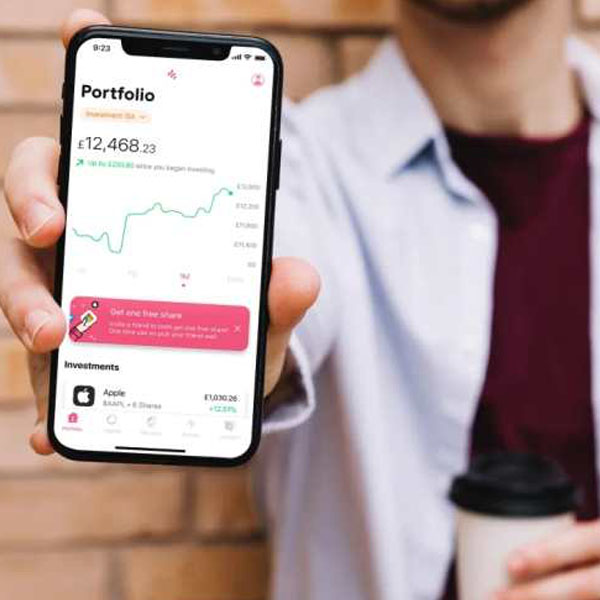
FreeTrade is my personal favourite. I love the UI on the App and £0 commission on trades. I like to regularly invest and average up/down – so no commission saves a fortune! I pay £120/year for an ISA and SIPP which is excellent.
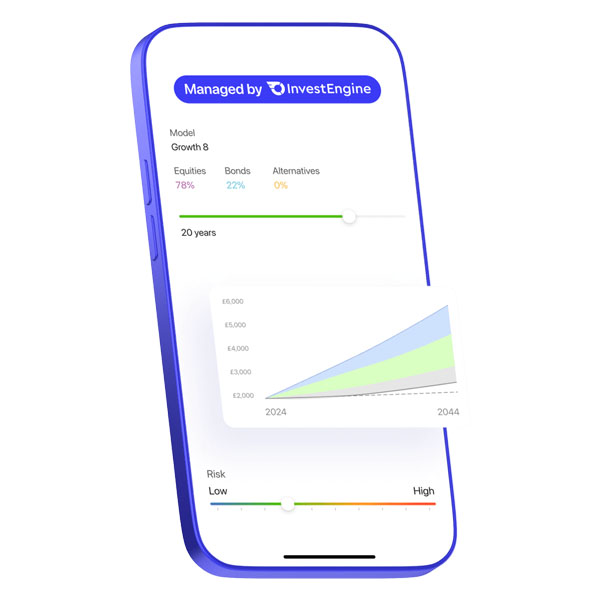
I highly recommend InvestEngine for brand new investors. It forces you to invest in ETFs – which is the perfect place to start your investing journey. The temptation of other products from Trading212 is too risky for new investors.
Why are ISA’s so sexy?
Ok sexy is a strange word, but at least I caught your attention! You know each month when you receive your payslip and you see those deductions, it’s painful right? Or if you are self employed and you have a nice ‘lump’ to pay at the end of the tax year – it might be even more of a dagger through your gut.
Any gains in an ISA are completely tax free 🎉
This means – if the stock or share you hold in your ISA goes up in value and you realise the gain, you pay no tax. Or if the company pays a dividend – you also pay no tax. This is also known as a tax wrapper.
⚠️ Only 15% of people in the UK have an S&S (Stocks and Shares) ISA. This in my opinion is absolutely mental.
Pay yourself first.
One of the most important concepts (you’ll see this in the calculator) is that investing becomes a bill that you pay each month. It’s a non-negotiable and with FreeTrade/InvestEngine you can set up a direct debit so a set amount comes out of your main account each month and auto-invests in an area of your choice.
📊 Building an ISA Portfolio
Once your emergency fund’s sorted and you’ve picked your investing account (hello, ISA), it’s time to build a portfolio. Don’t worry - it doesn’t have to be complicated. In fact, simple usually wins.
🇺🇸 S&P 500 and Chill
One of the easiest - and often most effective - strategies is to invest in the S&P 500. This index includes 500 of the largest US companies (think Apple, Microsoft, Amazon, etc.), and over the long term, it’s delivered solid returns of around 7–10% annually (after inflation).
Why people love it:
- It’s easy to understand
- It’s cheap (ETFs like VUSA or CSP1 have low fees)
- It’s incredibly diversified - across sectors, industries, and big-name companies
If you want a truly hands-off approach? Just buy the S&P 500 regularly and ride the waves. “S&P and chill” is a legit strategy.
🌍 Worldwide ETFs
If you want more global diversification, look at worldwide ETFs like Vanguard FTSE Global All Cap (V3AM/VGWL) or iShares MSCI World (SWDA).
These track thousands of companies across the US, UK, Europe, Japan, and emerging markets - giving you instant access to the global economy with a single investment.
It’s a brilliant core holding, especially if you don’t want to worry about picking regions or rebalancing all the time.
🧺 A Diverse Portfolio: Stocks and Bonds
As you build your portfolio, it’s worth thinking about how you balance risk and stability. That’s where bonds come in.
- Stocks (equities) = growth and higher risk
- Bonds = lower returns, but more stability
A popular split is the 60/40 portfolio (60% stocks, 40% bonds), though younger investors often lean more heavily into equities.
You can build this with just two ETFs: one global stock ETF, one global bond ETF. Done.
🎯 Picking Individual Stocks
Once your core portfolio is sorted, you might want to allocate a small percentage (say 5–10%) for individual shares.
This is where you can invest in companies you believe in - maybe based on future trends, strong balance sheets, or just because you’ve done the research and like the business.
But a quick warning: individual stock picking carries risk. If you’re doing this, keep it separate from your core strategy - and never bet the house.
An example of an individual stock I’m personally invested in is Touchstone Exploration. I like the stock.
I would strongly consider getting used to the volatility of individual stocks with a small amount and see if you could handle that if the number had a few more 0’s on the end. If not – stick to ETFs.
💸 Money Makes Money
Here’s the thing about building wealth: it’s not about being flashy. It’s about understanding one key principle - money makes money. And when you give it enough time, it snowballs.
📈 Compound Interest: The Silent Powerhouse
Compound interest is where your money earns returns - and then those returns start earning returns. It’s growth on top of growth. At first it feels slow, but after a few years, it starts to take off.
If you invest £250 a month into an index fund with a 7% annual return, you’ll have:
- £30,000 after 10 years
- £85,000 after 20 years
- £200,000+ after 30 years
And that’s without doing anything extra - just letting time and consistency do the heavy lifting.
🔥 Inflation: The Wealth Killer
If you’re just saving cash in a bank account that pays 1%, but inflation is running at 4% - your money is losing value every year. This is why investing matters.
You don’t need to beat the market. You just need to beat inflation. And that means taking some risk with your money - in a smart, planned, long-term way.
⏳ Time in the Market > Timing the Market
Trying to time the market - buying at the bottom, selling at the top - sounds great in theory. But even the pros get it wrong. And when you’re out of the market during just a handful of the best days, your long-term returns suffer big time.
Instead, stay invested. Focus on time in the market, not timing it. Regular investing (monthly direct debits into an ISA or SIPP) is boring - and that’s why it works.
🔀 Alternative Investments
Once you’ve got your core investments sorted - pensions, ISAs, and a globally diversified portfolio - you might start looking at other places to put your money. That’s where alternative investments come in.
These are assets that sit outside the usual stocks, bonds, and savings accounts. They can offer diversification and (sometimes) big returns - but often come with extra risk, complexity, or effort.
🪙 Cryptocurrency
Let’s get this one out the way first. Crypto is here to stay - whether you love it or hate it.
Bitcoin and Ethereum are the most well-known, and they’ve produced wild returns over the past decade. But they’re also incredibly volatile. Prices can swing 10–20% in a day, and the whole market is still relatively unregulated.
Crypto could have a place in a modern portfolio - but for most people, it should be a small percentage (think 1–5%) and only money you can afford to lose.
If you’re curious, start with the basics. Use a trusted platform like Coinbase or Kraken, stick to major coins, and don’t fall for hype-driven meme tokens.
🏠 Buy-to-Let Property
Property investing has been a go-to in the UK for decades. The idea is simple: buy a flat or house, rent it out, and generate passive income while the value (hopefully) appreciates.
The reality though? It’s not quite so passive.
- You’ll need a large deposit (often 25%)
- You’ll deal with tenants, repairs, compliance, void periods, and tax changes
- You may pay higher mortgage rates and extra stamp duty
If you love bricks and mortar, and you’re willing to treat it like a business - it can work well. But if you just want the exposure without the hassle, there’s a smarter way:
🏢 Consider a REIT (Real Estate Investment Trust)
A REIT is a company that owns property - like offices, warehouses, or flats - and trades on the stock market. You can buy REITs via your Stocks & Shares ISA just like any other stock or fund.
A good place to start? iShares UK Property UCITS ETF (IUKP) - it gives you exposure to commercial property without needing to fix leaky taps at 2am.
🎨 Fine Art and Collectibles
Art, rare watches, vintage wine, Pokémon cards - they’re all part of the growing world of collectible investing. Over time, some of these assets have performed surprisingly well. The problem? They’re hard to value, hard to sell, and often illiquid.
You also need to know your stuff. Buying a random painting because it “might be worth something one day” isn’t a strategy - it’s a gamble.
That said, if you’re passionate about a particular niche and you’re willing to learn, it can be a fun side-investment with real upside. Just make sure it’s not your core plan.
Final Thoughts on Alternatives
Alternative investments can add something interesting (and potentially profitable) to your portfolio - but they should come after the basics are sorted.
For most people, 90–95% of your money should be in boring, globally diversified, tax-efficient assets. Use the last 5–10% for higher-risk, higher-reward ideas - just don’t let the tail wag the dog.
⭐️ My Favourite Investing Expressions
| Expression | What It Means |
|---|---|
| Money makes money | When you invest, your money earns returns - and those returns can generate more returns over time. |
| Compound interest is the 8th wonder of the world | Small gains reinvested grow massively over time - it’s how wealth builds silently in the background. |
| Time in the market beats timing the market | Staying invested for the long term is more effective than trying to guess market highs and lows. |
| Don’t wait to buy, buy and wait | The sooner you invest, the sooner compounding kicks in. Time is more important than timing. |
| The market is a device for transferring money from the impatient to the patient | Those who stay calm and stick to their plan often outperform those who panic or chase quick gains. |
| Start before you’re ready | You’ll never feel 100% prepared - but getting started (even small) matters more than perfect timing. |
| The best investors are dead | This famous stat shows that the best-performing accounts often belong to people who never touched them - no panic, no tinkering. |
| The earlier the better | Starting young gives your investments more time to grow. A small amount invested early can outperform a large amount invested later. |
| It’s never too late | Even if you’re starting later in life, investing can still make a huge difference - it’s always worth starting. |
| Master your emotions or the market will | Fear and greed are the biggest enemies of long-term investing. Staying calm beats reacting to every rise and fall. |
🔚 Final Thoughts: You’ve Got This
If you’ve made it this far - you’re already ahead of most people.
Investing in 2025 doesn’t need to be overwhelming. You don’t need to chase hot tips, time the market, or learn technical analysis. You just need to build good habits, understand your priorities, and take small, consistent steps forward.
Start with the basics - budget, emergency fund, clear debt. Then use the tax wrappers available to you: ISAs, pensions, and SIPPs. Stick to simple, low-cost funds. And when you’ve nailed the foundations, feel free to explore the more exciting stuff like individual stocks, REITs, or even a little crypto.
Remember: wealth isn’t built in one big move. It’s built in quiet, repeated decisions. Every time you invest a little more, pay down a bit of debt, or automate a saving, you’re voting for your future self.
So whether you’re starting with £50 a month or £5,000 - start. Stay consistent. And come back to this guide any time you need a reset or reminder.
If this helped, please share it with someone who’s just getting started.
Tagged
Last updated
Category
InvestingLikes
More posts
You might also enjoy
Investing
Capital Limited backs raised 2026 revenue guidance after strong Q3 growth
Capital Limited's Q3 revenue rose 23.2% to $115.7 million, supported by mining and MSALABS as the group backed higher 2026 guidance.
JoshuaOctober 15, 2026
Investing
Ramsdens reiterates £32m-£35m FY26 profit target as gold buying booms
Ramsdens has reiterated its £32m-£35m FY26 profit forecast, supported by booming precious metals profits and a larger pawn loan book.
JoshuaOctober 12, 2026
Investing
AI Financing Boom: How to Separate Durable Bank Earnings From Market Hype
Busy capital markets can generate substantial fees for banks, but they do not prove that every AI-related investment will succeed. Here is how UK investors can assess earnings quality, financing risk and valuation.
JoshuaOctober 12, 2026
Star Rating
1.0/5 from 2 ratings
Comments
No comments yet - start the conversation.